
电脑主板的散热设计与优化
电脑高手
2024-11-04 10:01:01
0次
电脑主板的散热设计与优化
在计算机硬件中,主板的散热设计是至关重要的。主板的散热性能直接关系到电脑硬件的稳定性和使用寿命。因此,对电脑主板的散热设计与优化进行探讨,对于提升电脑性能和延长硬件寿命具有重要意义。
一、电脑主板散热设计的重要性
电脑在运行过程中会产生大量的热量,如果这些热量不能及时散发,将会对硬件产生严重影响。过热不仅会降低硬件的性能,还会缩短其使用寿命,甚至可能引起硬件损坏。因此,有效的散热设计对于保障电脑硬件稳定运行和延长其寿命具有重要意义。
二、电脑主板散热设计的要点
1. 材料选择:主板的散热设计首先要考虑材料的选择。常用的散热材料包括铜、铝等金属,这些材料具有良好的导热性能,能够有效地将热量从硬件传导到散热片或风扇。
2. 散热片与风扇:在主板上安装散热片和风扇是常见的散热方式。散热片通过增大散热面积来提高散热效果,而风扇则通过产生气流来带走热量。
3. 合理布局:主板上的元器件和接口应合理布局,以避免阻碍散热片或风扇的散热效果。此外,还需要考虑主板与机箱的配合,确保机箱能够为主板提供良好的散热环境。
三、电脑主板散热优化的方法
1. 采用更高效的散热材料:在条件允许的情况下,可以尝试使用导热性能更好的材料,如银、石墨烯等。
2. 增加散热片面积或数量:通过增加散热片的面积或数量,可以增大散热效果,降低硬件温度。
3. 优化风扇设计:改进风扇的转速、风量和噪音等方面的性能,以提高其散热效果。
4. 智能温控技术:采用智能温控技术,根据硬件温度自动调节风扇转速和散热片工作状态,以实现更好的散热效果。
四、英文翻译
 Computer Motherboard Thermal Design and Optimization
In computer hardware, the thermal design of the motherboard is crucial. The cooling performance of the motherboard directly affects the stability and lifespan of computer hardware. Therefore, discussing the thermal design and optimization of computer motherboards is of great significance for improving computer performance and extending hardware lifespan.
Computer Motherboard Thermal Design and Optimization
In computer hardware, the thermal design of the motherboard is crucial. The cooling performance of the motherboard directly affects the stability and lifespan of computer hardware. Therefore, discussing the thermal design and optimization of computer motherboards is of great significance for improving computer performance and extending hardware lifespan.

 I. Importance of Thermal Design for Computer Motherboards
Computers generate a large amount of heat during operation. If these heat cannot be dispersed timely, it will have a serious impact on the hardware. Overheating will not only reduce hardware performance but also shorten its lifespan, and may even cause hardware damage. Therefore, effective thermal design is crucial for ensuring stable operation of computer hardware and extending its lifespan.
II. Key Points of Thermal Design for Computer Motherboards
1. Material Selection: The selection of materials is the first consideration in the thermal design of the motherboard. Commonly used thermal materials include copper, aluminum, and other metals, which have good thermal conductivity and can effectively transfer heat from hardware to a heat sink or fan.
2. Heat Sink and Fan: Installing a heat sink and fan on the motherboard is a common way to dissipate heat. The heat sink increases the cooling surface area to improve cooling efficiency, while the fan removes heat through airflow.
3. Reasonable Layout: The components and interfaces on the motherboard should be arranged reasonably to avoid obstructing the cooling effect of the heat sink or fan. Additionally, it is necessary to consider the cooperation between the motherboard and the chassis to ensure that the chassis provides a good cooling environment for the motherboard.
III. Methods for Optimizing Thermal Design of Computer Motherboards
1. Using more efficient thermal materials: When conditions permit, try using materials with better thermal conductivity, such as silver, graphene, etc.
2. Increasing the area or quantity of heat sinks: By increasing the area or quantity of heat sinks, the cooling effect can be increased, and hardware temperature can be reduced.
3. Optimizing fan design: Improve the performance of fan speed, air volume, and noise to enhance its cooling effect.
4. Intelligent temperature control technology: Using intelligent temperature control technology to automatically adjust fan speed and heat sink operating status based on hardware temperature to achieve better cooling effect.
I. Importance of Thermal Design for Computer Motherboards
Computers generate a large amount of heat during operation. If these heat cannot be dispersed timely, it will have a serious impact on the hardware. Overheating will not only reduce hardware performance but also shorten its lifespan, and may even cause hardware damage. Therefore, effective thermal design is crucial for ensuring stable operation of computer hardware and extending its lifespan.
II. Key Points of Thermal Design for Computer Motherboards
1. Material Selection: The selection of materials is the first consideration in the thermal design of the motherboard. Commonly used thermal materials include copper, aluminum, and other metals, which have good thermal conductivity and can effectively transfer heat from hardware to a heat sink or fan.
2. Heat Sink and Fan: Installing a heat sink and fan on the motherboard is a common way to dissipate heat. The heat sink increases the cooling surface area to improve cooling efficiency, while the fan removes heat through airflow.
3. Reasonable Layout: The components and interfaces on the motherboard should be arranged reasonably to avoid obstructing the cooling effect of the heat sink or fan. Additionally, it is necessary to consider the cooperation between the motherboard and the chassis to ensure that the chassis provides a good cooling environment for the motherboard.
III. Methods for Optimizing Thermal Design of Computer Motherboards
1. Using more efficient thermal materials: When conditions permit, try using materials with better thermal conductivity, such as silver, graphene, etc.
2. Increasing the area or quantity of heat sinks: By increasing the area or quantity of heat sinks, the cooling effect can be increased, and hardware temperature can be reduced.
3. Optimizing fan design: Improve the performance of fan speed, air volume, and noise to enhance its cooling effect.
4. Intelligent temperature control technology: Using intelligent temperature control technology to automatically adjust fan speed and heat sink operating status based on hardware temperature to achieve better cooling effect.
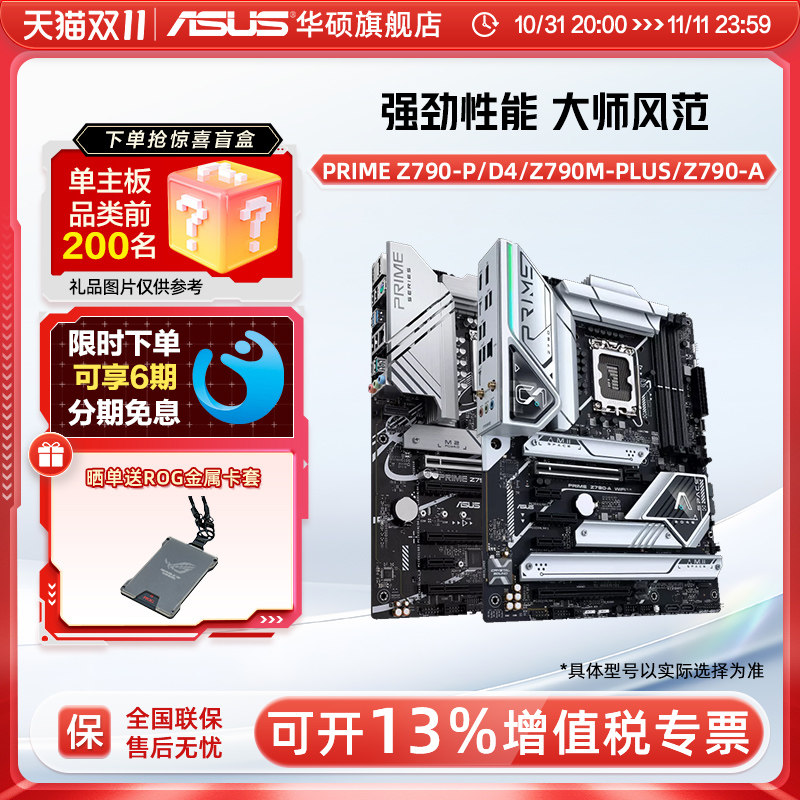
华硕大师PRIMEZ790主板豪华用料淘宝价:4999.00元,售价:2020元
映泰B650主板9700X/8600G/7500F淘宝价:699.00元,售价:598元
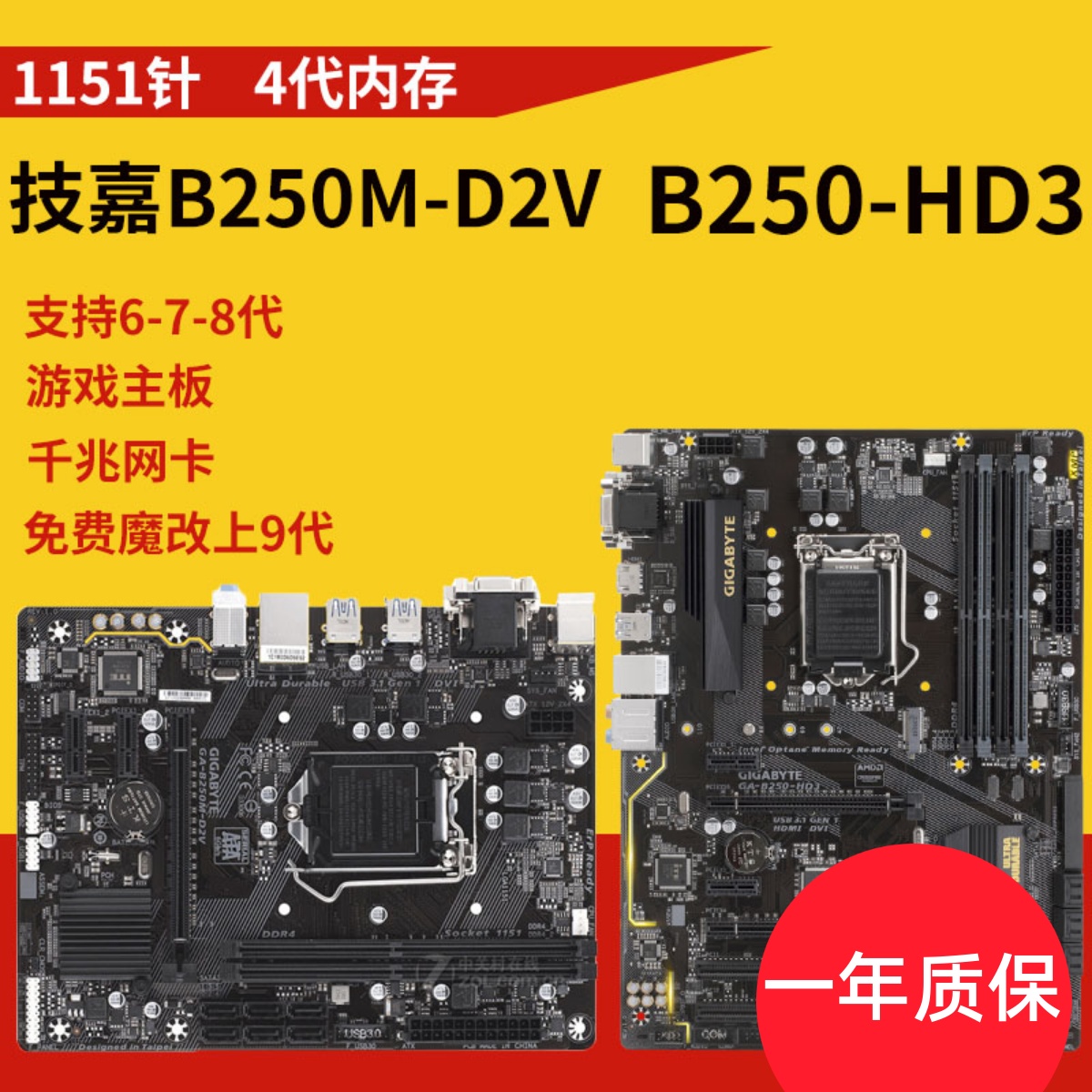
Gigabyte/技嘉GA-B150M-淘宝价:305.00元,售价:125元
上一篇:电脑主板上的重要部件介绍
下一篇:最新电脑主板技术趋势及市场分析
相关内容
热门资讯
主板技术深度解析:电脑性能的关...
本文深入解析了主板技术,包括芯片组、扩展槽、内存插槽和供电系统等关键因素,并探讨了主板与电脑性能的关...
"电脑主板的选购技巧:从入门到...
选购电脑主板技巧从入门到精通,需明确使用需求、认识芯片组、了解扩展性及品牌品质。进阶需注意专业评测与...
了解电脑主板的发展历程,从历史...
本文概述了电脑主板的发展历程,从早期简单设计到现今复杂电路的技术突破。从历史角度看,未来电脑主板将呈...
主板故障排查:电脑出现问题的解...
本文介绍了主板故障排查的常见方法和解决电脑问题的有效途径,包括观察电脑启动情况、检查硬件连接、使用诊...
电脑主板的构造与功能:你了解你...
本文介绍了电脑主板的构造与功能。主板由电路板、芯片组、插槽与接口等构成,连接协调各部件,实现数据传输...
电脑主板的扩展性:如何选择适合...
选择适合未来升级的主板需考虑需求、插槽类型、扩展槽和接口、供电设计及品牌质量。明确需求,选合适插槽的...
升级电脑主板:如何避免常见误区...
本文介绍了升级电脑主板时如何避免常见误区,包括硬件配置不匹配、盲目追求高端品牌、忽视BIOS更新、散...
电脑主板市场趋势分析:未来哪些...
摘要:
电脑主板市场趋势朝向智能化、集成化、高速传输和环保发展。未来技术如AI、5G、虚拟化将引领...
电脑主板维修常识及注意事项
本文介绍了电脑主板维修的常识和注意事项,包括专业知识、工具准备、故障判断和分类,以及安全第一、避免静...
深入了解电脑主板的功能与构造
文章摘要:
本文详细介绍了电脑主板的功能与构造,包括连接、控制、扩展及电源管理等功能,同时解析了主...